

South of the Seven Mile Bridge, the Florida Keys begin to feel a little wilder. The Lower Keys stretch across a collection of islands surrounded by brilliant water, mangrove shorelines and protected natural habitats — a quieter side of the Keys where wildlife and island living exist remarkably close together.
From Bahia Honda and Big Pine Key to Summerland Key, Cudjoe Key, Sugarloaf Key and the surrounding islands, the Lower Keys invite you to slow down. Here, neighborhoods meet the water, boats sit behind waterfront homes, and stretches of undeveloped land offer a glimpse of the Florida Keys as nature intended.
This is also one of the most extraordinary places in the island chain for wildlife. Tiny Key deer wander through Big Pine Key, birds gather among the mangroves, and the surrounding waters support sea turtles, dolphins, rays and an incredible variety of marine life.
For those who love nature, boating, fishing and a quieter island lifestyle, the Lower Keys offer an entirely different Florida Keys experience.
Big Pine Key: Where the Wild Things Are
Big Pine Key is unlike anywhere else in the Florida Keys. The island is best known as home to the endangered Key deer, the smallest subspecies of white-tailed deer in North America. Seeing one quietly appear beside a road or wander through a neighborhood is an experience visitors rarely forget.
Much of the island’s character comes from its natural surroundings. Pine rocklands, freshwater wetlands, mangroves and coastal habitats provide important refuge for wildlife and make Big Pine Key feel noticeably different from the more developed islands farther north.
Island Communities & Life on the Water
Continue through the Lower Keys and you’ll discover communities including Summerland Key, Cudjoe Key, Ramrod Key and Sugarloaf Key, along with smaller islands tucked between the Atlantic and the Gulf.
Life here has a strong connection to the water. Canals weave through residential neighborhoods, boats are part of everyday transportation and fishing, kayaking, paddleboarding and exploring nearby islands can begin practically outside the back door. It is a quieter, more residential side of the Florida Keys — and that is precisely its appeal.
“In the Lower Keys, the Florida Keys reveal their wilder side — where islands, wildlife and water still set the rhythm of life.”
Bahia Honda: An Island Treasure
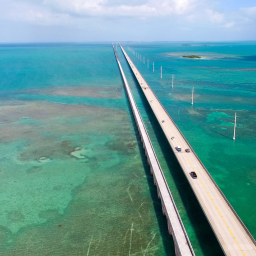
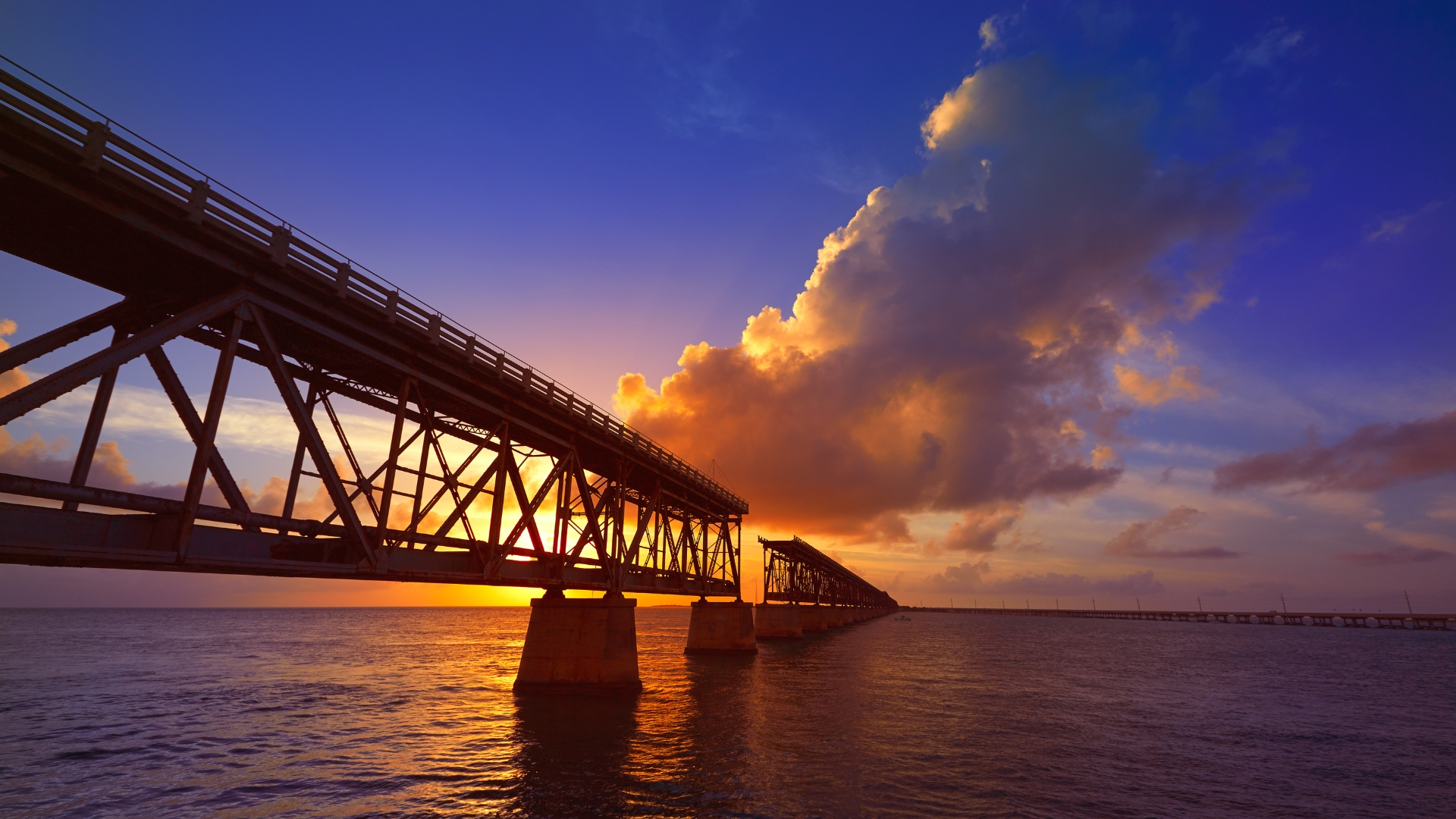
With turquoise water, sandy shoreline and views framed by the historic Bahia Honda Bridge, Bahia Honda State Park is one of the most recognizable natural destinations in the Florida Keys.
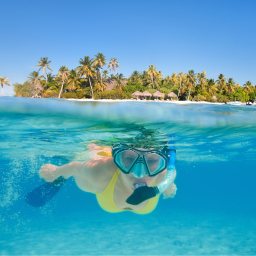
The island offers opportunities for swimming, snorkeling, kayaking, boating and simply spending a few hours beside remarkably clear water. On calm days, shades of blue and turquoise stretch toward the horizon, creating the tropical scenery many travelers imagine before ever arriving in the Keys.
Walk toward the old bridge for a completely different perspective. From above, the surrounding islands and water reveal just how narrow and extraordinary this chain of land really is.
Bahia Honda is more than a beautiful beach. It is a place to slow down, look around and appreciate the natural landscape that makes the Lower Keys so remarkable.
A Refuge for Wildlife
The Lower Keys are home to the National Key Deer Refuge, established to protect Key deer and other wildlife of the Florida Keys. The refuge encompasses thousands of acres of habitat across Big Pine Key and neighboring islands, helping preserve pine rocklands, wetlands, mangrove forests and other environments essential to native species.
The Key deer has become an unmistakable symbol of the Lower Keys. These small deer live only in the Florida Keys, making encounters with them particularly special. Visitors should admire them from a respectful distance, drive carefully and never feed them.
But the refuge protects much more than deer. The Lower Keys support an extraordinary variety of birds, reptiles, butterflies and native plants, while the surrounding marine environment is home to sea turtles, rays, dolphins and countless fish species.
Living alongside wildlife is part of what makes this region different. Here, conservation isn’t simply about protecting beautiful places — it is about protecting the creatures that depend upon them.
More Than a Destination
The Lower Keys reward travelers willing to slow down and explore. Spend a morning at Bahia Honda, watch for Key deer on Big Pine Key, kayak through mangroves, head offshore for a day of fishing or simply follow the Overseas Highway and see where the day takes you.
Stop at a waterfront restaurant. Explore a quiet island road. Watch the sun disappear across the water. Some of the most memorable Lower Keys experiences are not necessarily planned — they happen somewhere between one island and the next.
For visitors, the Lower Keys offer an opportunity to experience a quieter and more natural side of the island chain. For those fortunate enough to call these islands home, nature and wildlife become part of everyday life.
Explore. Discover. Stay awhile. Welcome to the wild side of the Florida Keys.