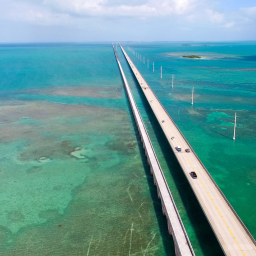


At the end of the Overseas Highway lies an island unlike anywhere else. Key West is the southernmost city in the continental United States — a place where Caribbean influences, centuries of history, colorful architecture and an unmistakably independent spirit come together.
Only a few miles long, the island contains an extraordinary collection of historic homes, waterfront neighborhoods, restaurants, galleries, museums and legendary landmarks. Roosters wander the streets, bicycles pass beneath tropical trees, and boats fill marinas that have connected Key West to the sea for generations.
From the energy of Duval Street to quiet lanes lined with historic conch houses, Key West constantly shifts between celebration and serenity. Spend the morning exploring its history, the afternoon beside the water and the evening watching one of the most famous sunsets in the Florida Keys.
There may be only one road leading here — but once you arrive, there are countless ways to experience Key West.
Old Town: History Around Every Corner
Walk through Old Town and Key West’s past is everywhere. Historic conch houses sit behind white picket fences, tropical gardens spill onto sidewalks and narrow streets reveal architecture shaped by generations of island residents.
Some of the city’s most recognizable landmarks are found here, including the Ernest Hemingway Home and Museum, the Harry S. Truman Little White House and the Key West Lighthouse. Along Duval Street, historic buildings now house restaurants, galleries, boutiques and bars, creating the lively atmosphere for which Key West has become famous.
An Island Shaped by the Sea
Long before Key West became an international vacation destination, its story was tied to the water. Fishing, wrecking, shipping and maritime trade helped shape the island, and the sea remains an essential part of life today.
Visitors can sail, snorkel, dive, fish, kayak or simply spend an afternoon beside the Atlantic. At Fort Zachary Taylor Historic State Park, history and the waterfront come together beneath palms and Australian pines, while the surrounding waters offer another perspective of America’s southernmost city.
“At the end of the Overseas Highway, the road ends — but the adventure is only beginning.”
Where Key West Meets the Sunset
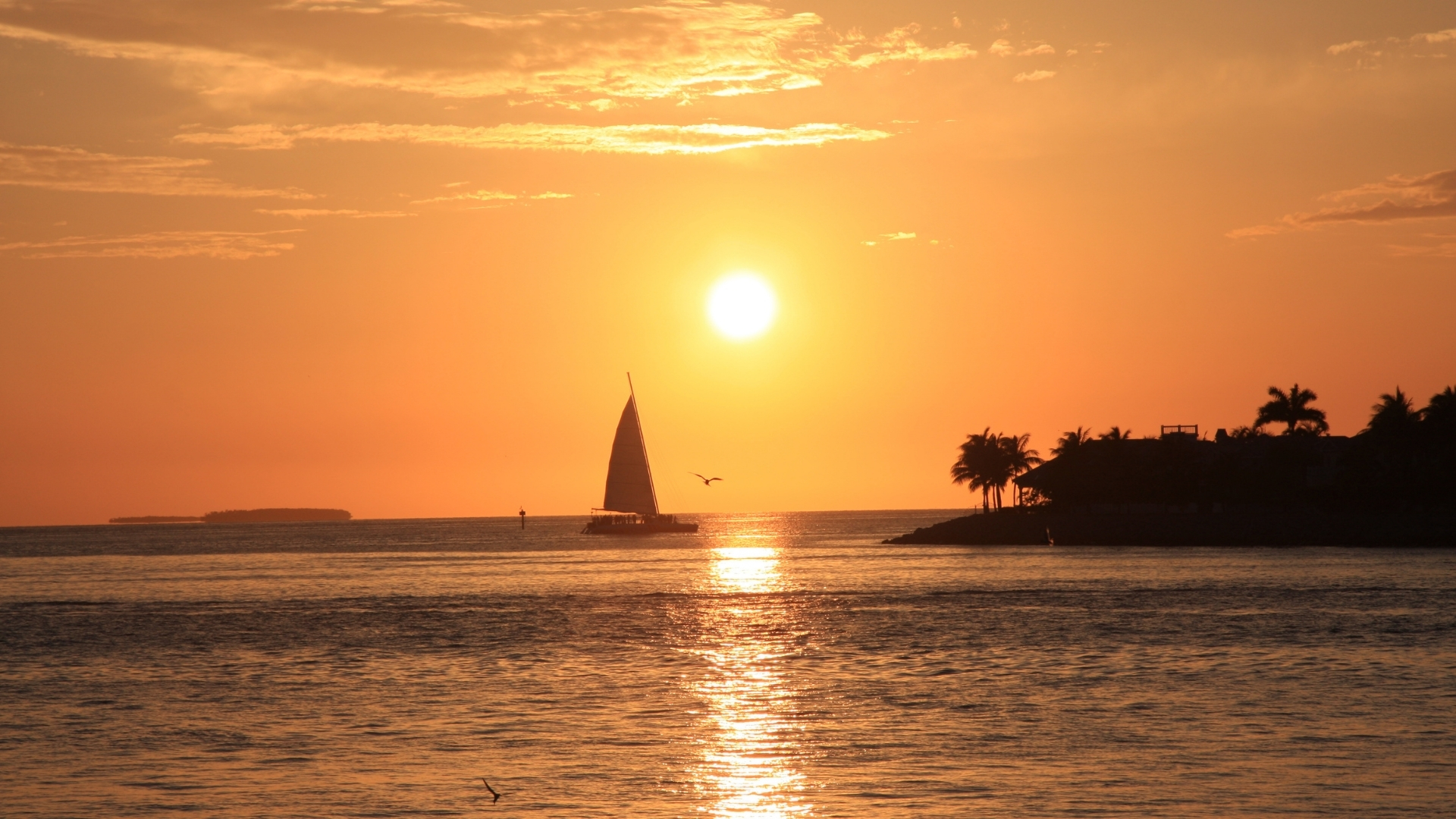
As afternoon turns to evening, people begin making their way toward the waterfront. For generations, watching the sun disappear beyond the Gulf has been one of Key West’s most beloved traditions.
At Mallory Square, the nightly Sunset Celebration brings together visitors, local artists, performers and vendors against a backdrop of sailboats and open water. The atmosphere captures something essential about Key West — creative, spontaneous and wonderfully unconventional.
But Mallory Square is only one place to experience sunset. From waterfront restaurants and sailboats to quiet docks and beaches, the western horizon becomes part of the evening throughout the island.
In Key West, sunset isn’t simply the end of the day. It’s an event.
An Island of Artists, Writers & Dreamers
Key West has long attracted people who see the world a little differently. Writers, artists, musicians, sailors and adventurers have all found inspiration on this small island at the end of the road.
Ernest Hemingway famously made Key West his home during the 1930s, and the literary tradition continues today. Galleries, theaters, museums and live music venues contribute to an arts community that feels remarkably large for such a small island.
That creative spirit also appears in Key West’s celebrations. From Fantasy Fest and Hemingway Days to concerts, parades, festivals and waterfront gatherings, the island rarely needs much encouragement to celebrate.
Perhaps that is part of Key West’s enduring appeal: individuality isn’t merely accepted here. It’s part of the culture.
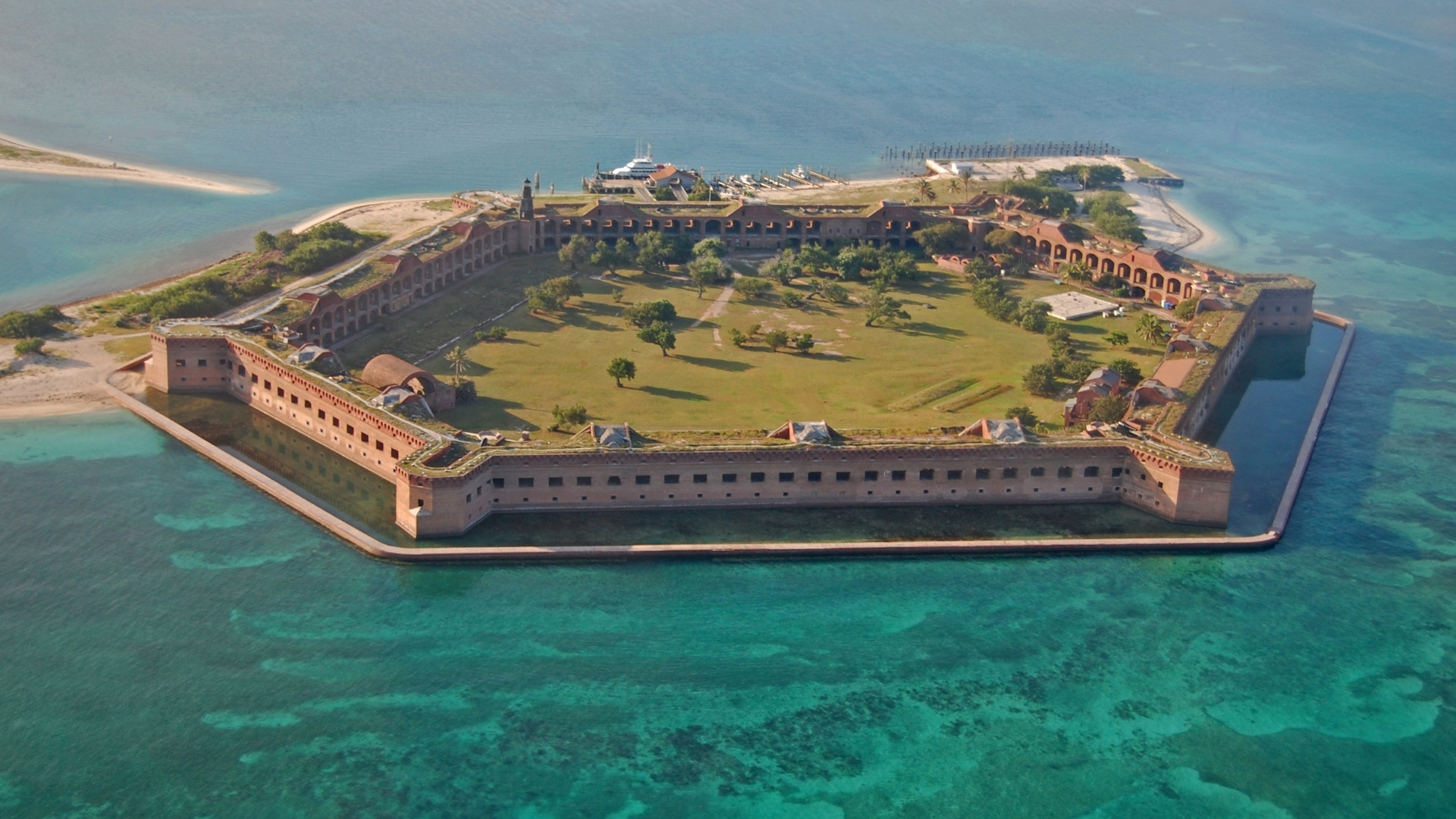
Beyond Key West: Dry Tortugas
Approximately 70 miles west of Key West, a collection of small islands rises from the Gulf of Mexico. Accessible primarily by boat or seaplane, Dry Tortugas National Park feels wonderfully remote.
At its heart stands massive Fort Jefferson, a 19th-century coastal fortress surrounded by brilliant blue water. Visitors come to explore the fort, snorkel, watch birds and experience one of the most isolated national parks in the United States.
The journey itself is part of the experience. Leaving Key West behind and traveling across open water reveals just how far the Florida Keys extend beyond the islands connected by the Overseas Highway.
More Than a Destination
Key West rewards curiosity. Walk instead of drive. Turn down a street you’ve never seen. Step inside a gallery. Tour a historic home. Order fresh seafood somewhere overlooking the water. Listen to live music drifting from an open doorway.
Spend the afternoon at Fort Zachary Taylor, photograph the Southernmost Point, explore the Key West Butterfly & Nature Conservatory or wander through the Key West Tropical Forest & Botanical Garden. Then find your favorite place to watch the sky change color.
Some visitors come for a weekend. Others return year after year. And some arrive intending to stay only briefly and discover that leaving isn’t quite as easy as they expected.
Key West has always attracted people looking for something different — adventure, inspiration, freedom or simply a place where life feels a little less ordinary.
Explore. Discover. Stay awhile. You’ve reached the end of the road — and one of the most unforgettable islands in America.